What is a PDO Thread Face Lift?
What is a PDO Thread Face Lift?
Aging skin loses collagen and elastin, while changes in the connective tissue reduce its strength an...
Learn more
This September, save on Filler, Dysport, EZ Gel PRF, PRX, & Vampire Facials! – Book Now!


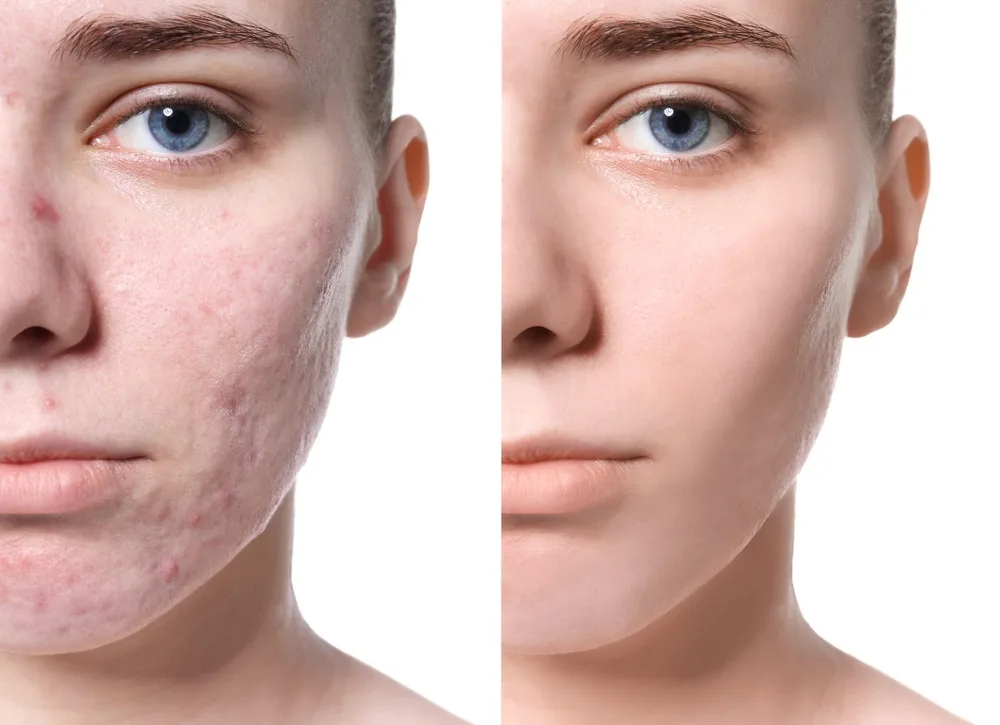
Acne on cheeks can feel especially frustrating because it sits in such a visible area of the face. One breakout may fade, then another appears near the same spot. Small bumps may sit under the skin for weeks. Tender cysts may form deeper in the cheek. Makeup may not sit well, and the skin can look uneven even after active breakouts calm down. Cheek acne can also leave dark marks, redness, or texture changes that last longer than the blemish itself.
There is no single cause of acne on cheeks that applies to everyone. Cheek breakouts can be linked to oil, clogged pores, hormones, friction, bacteria, skincare products, hair products, phone contact, pillowcases, masks, or skin barrier irritation. Some breakouts are closed comedones. Some are inflamed pimples. Some are deeper cystic acne. The right treatment should match the type of acne, the skin’s sensitivity, and the marks left behind.
At True Jewel Cosmetic Center, The Perfect Derma Peelcan be part of a skin plan for acne-prone skin, discoloration, scarring, and uneven texture.
Acne on cheeks may point to clogged pores, excess oil, inflammation, or irritation in the skin. The cheeks come into contact with many things throughout the day, including hands, phones, pillowcases, makeup brushes, hair, helmets, and masks. These contact points can transfer oil, bacteria, sweat, or product residue onto the skin.
Breakouts in this area can look different depending on the cause. Small, flesh-colored bumps may be closed comedones. Red inflamed pimples may appear when clogged pores become irritated. Deep, sore lumps may suggest cystic acne. Post-breakout marks may stay visible after the pore itself has healed.
Acne on cheeks meaning should be viewed as a clue, not a diagnosis. The location can help guide the conversation, but your skincare, hormones, habits, medications, and skin history matter too. A professional skin assessment can help separate comedonal acne from inflammatory acne or deeper cystic patterns.
What causes acne on cheeks often comes down to a mix of oil, dead skin cells, bacteria, inflammation, and pore blockage. Sebum is the skin’s natural oil. When it mixes with dead skin cells inside the pore, a plug can form. That plug may become a comedone, a pimple, or a deeper inflamed lesion.
The cheeks can also break out due to friction. This can happen with tight masks, sports gear, phones, pillowcases, or hands resting on the face. Friction can irritate the skin barrier and trap sweat or oil against the cheek.
Cosmetic products can play a role. Heavy moisturizers, occlusive makeup, sunscreen that does not suit your skin, or hair products that touch the cheeks can clog pores in acne-prone skin. Over-cleansing or using harsh exfoliants can also irritate the skin and make breakouts harder to manage.
Why do I have acne on my cheeks is a common question when breakouts appear in the same area again and again. Repeated cheek acne may be tied to daily contact habits. Phone screens, pillowcases, makeup sponges, and dirty brushes can all bring residue back to the same area.
Skincare choices can also trigger cheek breakouts. A product may be too heavy, too active, or too irritating for your skin. Some clients use multiple acne products at once, hoping for faster clearing, but too much irritation can weaken the skin barrier and worsen redness or sensitivity.
Hormones can affect the cheeks too, especially when acne appears with chin acne or jawline breakouts. Hormonal acne may flare before a period, during stress, after medication changes, or with hormone-related conditions. A skin consultation can help identify the pattern and guide next steps.
Hormonal acne on cheeks may appear as tender bumps, inflamed pimples, or deeper cysts. It may come and go with the menstrual cycle or flare during periods of stress. Some clients also notice chin acne at the same time, since the lower face is a common area for hormone-related breakouts.
Hormonal breakouts can be stubborn because they are influenced by internal changes as well as what is happening on the skin surface. Topical skincare may help, but deeper or recurring acne may need medical guidance in addition to aesthetic treatment.
Chemical peels can support acne-prone skin by exfoliating dead skin buildup, improving the look of clogged pores, and addressing the discoloration that may remain after breakouts. A peel should be chosen carefully when active inflammation is present, since irritated skin needs a thoughtful approach.
Cystic acne on cheeks meaning can be different from small surface bumps. Cystic acne tends to form deeper under the skin. It may feel sore, swollen, or firm. It can last longer than a typical pimple and may be more likely to leave marks or scarring.
Deep cysts should not be picked or squeezed. Pressure can worsen inflammation, push irritation deeper, and increase the risk of scarring. If cystic acne is frequent, painful, or spreading, medical evaluation may be needed.
The Perfect Derma Peel may be considered for acne-prone skin and post-acne marks, but active cystic acne needs careful assessment first. The skin may need calming, medical acne care, or a phased treatment plan before a peel is performed.
Closed comedones are small clogged pores covered by a thin layer of skin. They may look like tiny bumps without a visible black center. Comedones can appear on the cheeks, forehead, chin, or jawline. When many are present, the pattern is often called comedonal acne.
Comedonal acne can make the skin feel bumpy and uneven, even without redness or pus. It may be linked to oil, dead skin buildup, heavy products, makeup, sunscreen, or slow skin cell turnover. Picking at closed comedones often creates inflammation and marks that were not there before.
Chemical exfoliation can help with comedonal patterns by loosening buildup and encouraging a clearer surface. The Perfect Derma Peel uses acid-based exfoliation to remove dead skin cells and support a smoother appearance. The treatment plan should be selected after reviewing skin sensitivity and breakout activity.
What does acne on cheeks mean for your routine? It may mean your skin needs fewer irritants and more consistency. Acne-prone skin often reacts poorly to aggressive scrubs, harsh toners, and constant product changes.
A gentle cleanser, non-comedogenic moisturizer, and daily sunscreen are usually important basics. Acne treatments may include ingredients that help manage clogged pores, oil, or bacteria, but the strength and frequency should fit your skin. If the skin burns, peels heavily, or feels tight all day, the routine may be too harsh.
Makeup and sunscreen should be removed thoroughly at night. Brushes and sponges should be cleaned often. Pillowcases should be changed regularly. Hair products should be kept away from the cheeks when possible, especially oils, heavy creams, and styling sprays.
Why am I getting acne on my cheeks suddenly can be tied to a new product, new medication, stress, travel, hormonal changes, diet changes, sweat, masks, or a change in skincare habits. A sudden cluster of cheek breakouts often deserves a closer look at what changed recently.
New sunscreen, foundation, moisturizer, or hair product can clog pores if the formula is not right for your skin. A new workout routine can increase sweat and friction. Travel can alter sleep, hydration, and product use. Stress can influence hormones and inflammation.
Sudden acne should not automatically lead to stronger products. A careful review of recent changes can help identify triggers. If breakouts are painful, widespread, or not improving, a professional assessment can help prevent lingering marks and texture changes.
Why do I get acne on my cheeks after it clears? Acne often returns when the original trigger is still active. If clogged pores are forming under the skin, new bumps may appear after older ones heal. If friction continues, the same cheek area may flare again. If hormonal activity is driving breakouts, acne may cycle.
Post-acne marks can also make it seem like acne is still active. Brown spots, red marks, and uneven texture can remain after the breakout has flattened. Treating the active acne and the marks may require different steps.
The Perfect Derma Peel can be useful in a plan that addresses both acne-prone skin and discoloration. Peels can improve the appearance of post-acne marks, uneven tone, and surface texture when timed correctly.
The Perfect Derma Peel is a chemical peel that exfoliates the skin using acid-based ingredients. Chemical exfoliation helps remove dead skin cells from the surface and can support smoother, clearer-looking skin. For acne-prone cheeks, this may help reduce visible congestion and improve the look of uneven texture.
The treatment may be appropriate for concerns such as acne, acne marks, discoloration, scarring, sun damage, fine lines, and roughness. Since cheek acne can leave dark spots or texture behind, a peel may help improve the skin after breakouts calm.
A peel is not the right choice for every stage of acne. Severely inflamed, irritated, or compromised skin may need a gentler plan first. The safest approach is to assess the skin before treatment and choose timing based on the current condition of the cheeks.
A peel appointment usually includes skin cleansing, assessment, and application of the peel solution. The skin may feel warm, tingly, or tight during treatment. Afterward, peeling or flaking may occur as the outer layer sheds.
Peeling should not be picked. Pulling loose skin can cause irritation and may increase the risk of uneven pigmentation. Moisturizer, sunscreen, and aftercare instructions are important during recovery. Freshly treated skin can be more sensitive to sun exposure.
Results can vary. Some clients notice a brighter, smoother look after one peel. Acne marks, comedonal acne, or recurring congestion may need a series or combined skincare plan. Consistency matters more than aggressive treatment.
Preventing acne on cheeks requires attention to skin contact, skincare, and inflammation. Keep phone screens clean. Wash pillowcases often. Avoid touching the cheeks throughout the day. Clean makeup tools regularly. Choose non-comedogenic skincare and makeup when acne is a concern.
Sweat should be rinsed from the skin after workouts. Hair products should be kept away from the cheeks, especially if breakouts appear near the sides of the face. Sunscreen should be worn daily, but the formula should suit acne-prone skin.
A professional plan can help when home care is not enough. The Perfect Derma Peel, medical-grade skincare, and targeted acne care may help improve cheek breakouts, closed comedones, and post-acne marks.
Acne on cheeks can come from clogged pores, hormones, friction, skincare products, hair products, inflammation, or deeper cystic patterns. The cause may not be obvious at first, especially when closed comedones, comedonal acne, chin acne, or recurring cheek breakouts appear together.
If you have been asking why you have acne on your cheeks, why you are getting acne on your cheeks, what causes acne on your cheeks, or how to prevent future marks, a professional skin assessment can help you choose the right next step. The Perfect Derma Peel may support smoother texture, clearer-looking pores, and a more even appearance when your skin is ready for peel treatment.
If you are ready to address cheek acne, closed comedones, and post-acne marks, schedule a Perfect Derma Peel consultation with True Jewel Cosmetic Center today.
Acne on cheeks can be caused by clogged pores, oil, hormones, friction, bacteria, skincare products, hair products, masks, phones, or pillowcases.
Acne on cheeks meaning can vary. It may point to clogged pores, irritation, product buildup, hormonal changes, friction, or inflamed acne.
You may have acne on your cheeks due to skincare products, makeup, phone contact, pillowcases, hormones, sweat, or a buildup of dead skin cells.
Sudden cheek acne may follow a new product, stress, travel, hormonal changes, sweat, masks, or changes in your skincare routine.
Acne on cheeks can mean the pores are clogged or irritated. It can also reflect hormonal patterns, contact friction, or acne-prone skin.
Cystic acne on cheeks usually refers to deeper, tender bumps under the skin. This type can last longer and may need medical guidance.
Closed comedones are clogged pores covered by skin. They often look like small flesh-colored bumps and can be part of comedonal acne.
The Perfect Derma Peel may help acne-prone skin, closed comedones, post-acne marks, discoloration, and uneven texture when the skin is ready.
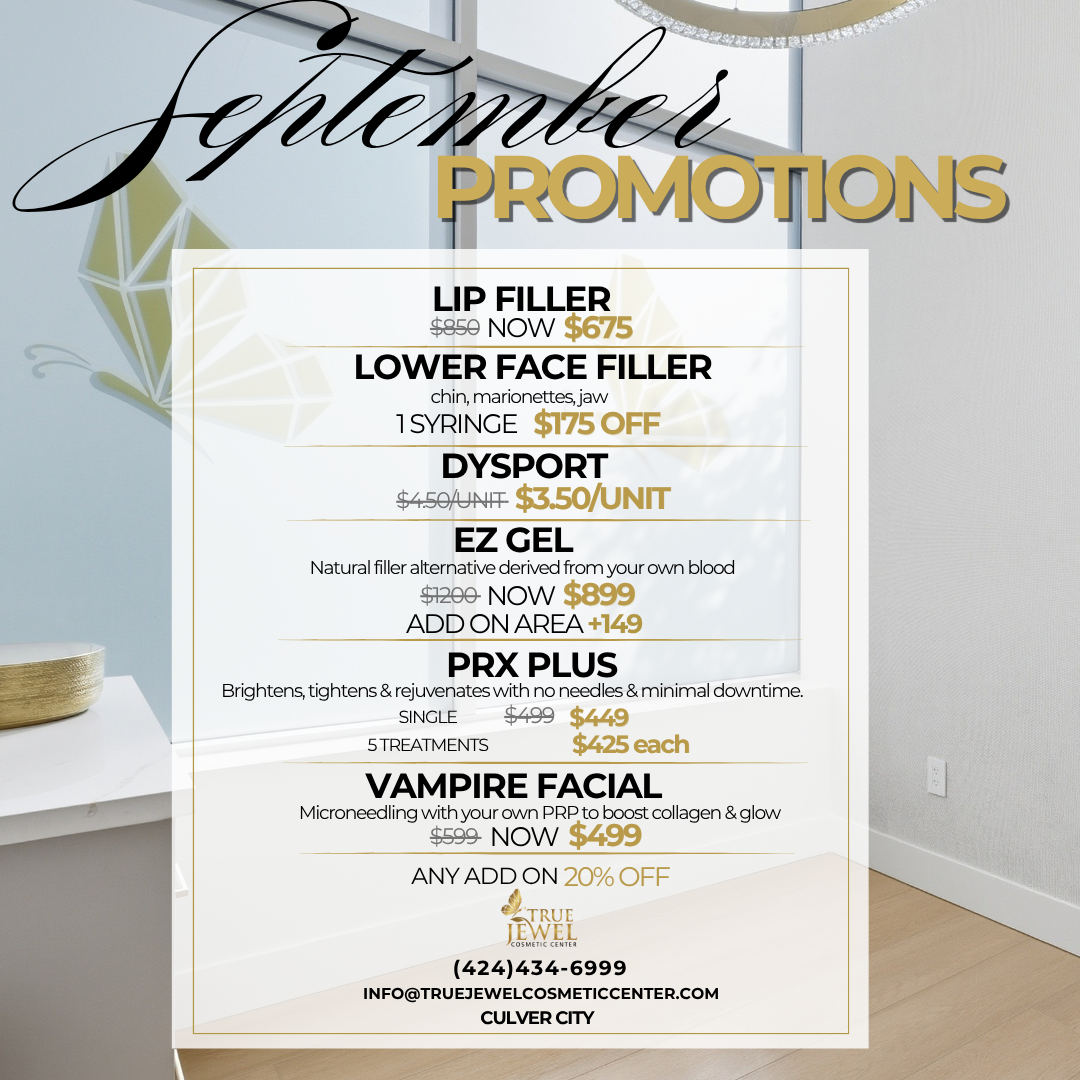
This September, we’re thrilled to offer some of our best savings of the year, including lip filler for just $675 (down from $850), $175 off a syringe of lower face filler for your chin, marionettes, or jaw, and Dysport at only $3.50 per unit. We’re also featuring our EZ Gel natural filler alternative for $899, PRX Plus treatments starting at $425 each when you book a series of five, and our signature Vampire Facial with PRP microneedling for $499. Plus, enjoy 20% off any add-on all month long.- Book Now!
Whether you’re exploring injectables, skin rejuvenation, or body contouring — our board certified team is here to help you look and feel your best. Reveal your true beauty today.
Free consultations offered.

10601 Washington Blvd #108
Culver City, CA 90232
Sunday: 9:30 AM–4 PM
Monday: 9:30 AM–5 PM
Tuesday: 9:30 AM–6 PM
Wednesday: 9:30 AM–5 PM
Thursday: 9:30 AM–6 PM
Friday: 9:30 AM–4 PM
Saturday: Closed
This September, we’re thrilled to offer some of our best savings of the year, including lip filler for just $675 (down from $850), $175 off a syringe of lower face filler for your chin, marionettes, or jaw, and Dysport at only $3.50 per unit. We’re also featuring our EZ Gel natural filler alternative for $899, PRX Plus treatments starting at $425 each when you book a series of five, and our signature Vampire Facial with PRP microneedling for $499. Plus, enjoy 20% off any add-on all month long.- Book Now!