What Is The Best Age To Get Botox?
What Is The Best Age To Get Botox?
Wrinkles, an inevitable part of aging, often leave us pondering when it’s the right time to ta...
Learn more
This September, save on Filler, Dysport, EZ Gel PRF, PRX, & Vampire Facials! – Book Now!


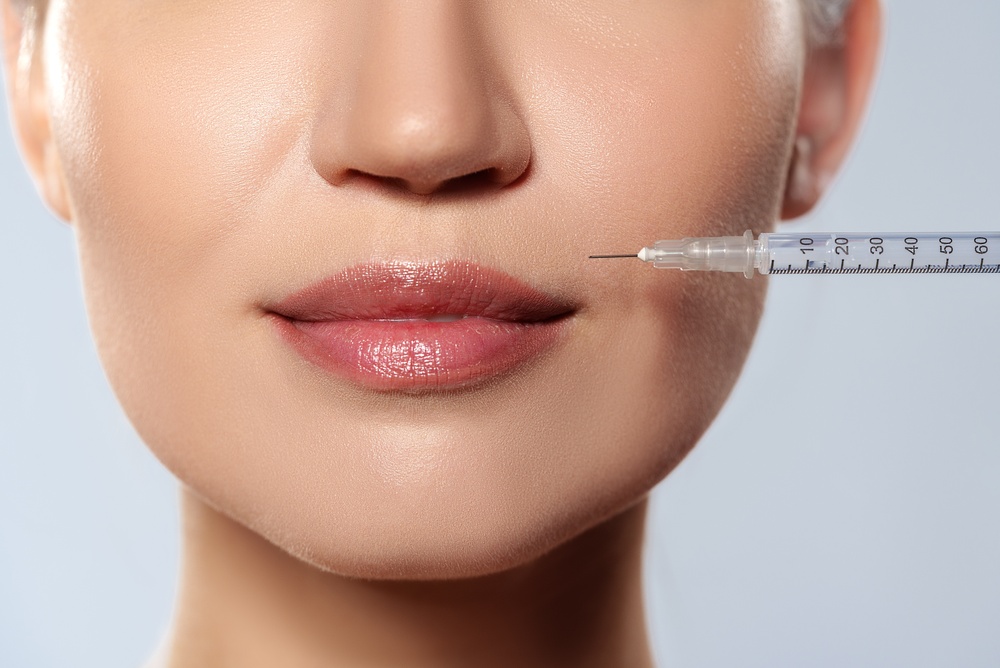
Cosmetic injectables are some of the most requested non-surgical aesthetic treatments because they can address common concerns without surgery or long recovery. They may help soften expression lines, add volume, define facial contours, smooth shadows, enhance lips, or refresh areas that have changed with age. For many patients, the appeal comes from how customizable these treatments can be. A forehead line concern is not treated the same way as under-eye hollowing. A lip enhancement plan is different from jawline contouring. The product, placement, dose, and treatment goal all matter.
At True Jewel Cosmetic Center, injectable treatments include neurotoxins such as Botox, Dysport, and Xeomin, along with dermal fillers for areas such as the lips, under-eyes, jawline, marionette lines, and facial volume changes. A consultation helps determine which option fits your anatomy, facial movement, skin quality, and comfort level.
If you have wondered what cosmetic injectables are, who can administer cosmetic injectables, or how injectable treatments differ, this guide breaks down the essentials in clear terms.
Cosmetic injectables are aesthetic treatments placed beneath or within the skin using a needle or cannula. They are used to improve facial lines, volume loss, contour, balance, and selected signs of aging. The two most common categories are neurotoxins and dermal fillers.
Neurotoxins work by temporarily relaxing targeted muscle movement. They are often used for dynamic wrinkles, such as forehead lines, frown lines, crow’s feet, bunny lines, neck bands, and chin dimpling. Botox, Dysport, and Xeomin are examples of neurotoxins used for these concerns.
Dermal fillers work differently. They add volume, structure, hydration, or contour in selected areas. Fillers may be used for lip enhancement, under-eye hollows, jawline definition, marionette lines, smile lines, cheek support, and facial balancing. Some fillers are made with hyaluronic acid, while others have different properties suited to specific areas.
Neurotoxinsare cosmetic injections that focus on muscle activity. Every time you frown, raise your eyebrows, squint, or scrunch your nose, the skin folds over moving muscle. Over time, these repeated folds can become visible lines. Botox, Dysport, and Xeomin temporarily soften the muscle signals that create those lines.
The result is gradual. Botox may begin showing within a few days, with fuller results after the treatment settles. Results commonly last several months before muscle activity returns. Dysport and Xeomin work in a similar category, though each product has its own qualities.
A neurotoxin plan should be precise. Too little product may not soften the line enough. Too much may make expression feel heavy or stiff. The goal is usually smoother skin with a natural look, not a frozen expression.
Dermal fillersare injectable treatments used to add volume, refine contours, and soften certain facial folds. True Jewel Cosmetic Center offers filler treatments for areas such as the lips, under-eyes, jawline, marionette lines, smile lines, chin, cheeks, and hands.
Lip filler can restore fullness, improve symmetry, define the lip border, and smooth age-related vertical lines. Under-eye filler may help reduce hollowing and shadowing for the right candidate. Jawline filler can improve definition and support lower-face balance. Marionette line filler may soften lines that run from the corners of the mouth toward the jawline.
Filler treatment should be customized by area. The under-eye region needs a different approach than the lips. The jawline needs structure, while the lips need softness and movement. Product choice should reflect the tissue, goal, and safety of the treatment area.
Neurotoxins and dermal fillers are both cosmetic injectables, but they solve different concerns. Neurotoxins relax movement. Fillers replace or add volume. A person with forehead lines may need Botox, Dysport, or Xeomin. A person with hollow under-eyes may need filler assessment. A person wanting lip fullness may need a lip filler plan.
Some patients benefit from both categories. For example, neurotoxins may soften frown lines while filler improves lower-face balance. A combined plan can look natural when each treatment has a clear purpose.
The right choice comes from anatomy, not trend. During consultation, your provider can assess facial movement, volume loss, asymmetry, skin quality, and treatment history before recommending a plan.
Injectable treatments can address several facial concerns, with neurotoxins and dermal fillers used in different ways based on the area, movement, and treatment goal.
Botox, Dysport, and Xeomin may be used for forehead lines, frown lines, crow’s feet, and bunny lines. These concerns are often linked to repeated facial movement, so neurotoxins can help soften the look of expression lines.
Dermal fillers may be used for lip filler treatments to add volume, refine shape, improve symmetry, and define the lip border. The goal is usually a soft, balanced result that still suits natural facial movement.
Under-eye treatments may help soften the look of hollowness or shadowing for the right candidate. This area is delicate, so careful assessment and precise filler placement are especially important.
Injectable treatments may support chin dimpling, neck bands, smile lines, marionette lines, jawline filler treatment, cheek volume, chin contour, and selected facial balancing goals. A small amount of product can create visible refinement when placed correctly.
How to do cosmetic injectables is a professional training question, not a home-care question. Patients should never attempt injectables on themselves or allow treatment from someone without the correct license, training, and supervision. Injectable treatments involve facial anatomy, blood vessels, nerves, product behavior, sterile technique, and emergency protocols.
Safe treatment requires a proper consultation, medical history review, facial assessment, consent process, product selection, precise injection technique, and aftercare guidance. The provider also needs to recognize when a patient is not a good candidate.
Injectables can look simple because appointments are often quick. The clinical skill behind them is detailed. A safe result requires knowledge, judgment, and experience.
Who can administer cosmetic injectables varies by state law, professional license, training, and medical oversight. In many aesthetic settings, injectables may be performed by qualified medical professionals such as physicians, nurse practitioners, physician assistants, registered nurses, or other licensed providers working within the rules that apply to their location.
Patients should feel comfortable asking about credentials. You can ask who will perform the treatment, what training they have, which products they use, and how complications are handled. A reputable med spa or cosmetic center should answer clearly.
This is especially important with fillers because certain rare complications need immediate recognition. Proper training supports both better results and patient safety.
How to become a cosmetic injectables nurse usually involves becoming a licensed nurse first, then pursuing aesthetic training in injectables. Requirements vary by state, but the path often includes nursing education, licensure, hands-on training, anatomy study, mentorship, and ongoing education.
A cosmetic injectables nurse needs technical skill and aesthetic judgment. They must understand facial anatomy, product selection, dosing, patient screening, contraindications, and complication response. They also need communication skills because patients often need help setting realistic goals.
For patients, this matters because injector education shapes the treatment experience. A well-trained injector should be able to explain why a product is recommended, where it will be placed, what side effects may happen, and what result is realistic.
A consultation for cosmetic injectables should feel personal and clear. Your provider may ask about your goals, prior treatments, allergies, medications, medical conditions, pregnancy or breastfeeding status, and any history of cold sores or reactions. They may assess your facial expression, symmetry, skin quality, volume changes, and treatment areas.
For neurotoxins, you may be asked to frown, raise your eyebrows, smile, or relax your face. For fillers, the provider may assess contour, proportion, tissue quality, and facial balance. Photos may be taken to track progress.
A treatment plan should explain the product, area, expected timing, likely recovery, possible side effects, and maintenance. You should know what is being recommended before treatment begins.
Aftercare helps support a smoother recovery, but the right instructions can vary based on whether you receive neurotoxins, dermal fillers, or both.
Cosmetic injectables are temporary. Neurotoxins often last around three to four months, though timing can vary. Muscle strength, metabolism, dosage, and treatment area can affect how long results stay visible.
Dermal filler duration varies by product and area. Lip filler may last several months, while under-eye or jawline filler may last longer for some patients. True Jewel’s dermal filler services include options that may last six to twelve months or longer in certain areas.
Maintenance should match your goals. Some patients prefer regular small appointments. Others wait until results fade more clearly. Your provider can help plan timing based on how your face responds.
Cosmetic injectables can soften wrinkles, restore volume, refine lip shape, improve under-eye shadows, define the jawline, and support facial balance. Neurotoxins such as Botox, Dysport, and Xeomin focus on movement. Dermal fillers focus on volume, contour, and support.
If you are considering injectable treatments, the best first step is a consultation with a qualified provider. You can talk through your goals, review treatment options, and choose a plan that feels natural, safe, and realistic.
Schedule a cosmetic injectables consultation with True Jewel Cosmetic Center today to discuss Botox, Dysport, Xeomin, dermal fillers, and the treatment plan that fits your features.
Cosmetic injectables are non-surgical aesthetic treatments placed with a needle or cannula to soften lines, restore volume, shape features, or improve facial balance.
Cosmetic injections may be used for wrinkles, volume loss, lip enhancement, under-eye hollows, jawline definition, facial balancing, and selected signs of aging.
Injectable treatments include Botox, Dysport, Xeomin, dermal fillers, lip filler treatments, under-eye treatments, jawline filler treatment, and related options.
Cosmetic injectables should only be performed by qualified professionals with proper licensing, anatomy training, sterile technique, and medical oversight.
The rules vary by location, but cosmetic injectables are commonly administered by trained licensed medical professionals working within their allowed scope.
A cosmetic injectables nurse usually needs nursing licensure, aesthetic injector training, anatomy education, supervised practice, and ongoing education.
No. Neurotoxins relax muscle movement to soften expression lines. Dermal fillers add volume, contour, or support to selected facial areas.
Neurotoxins often last around three to four months. Dermal filler longevity varies by product, treatment area, metabolism, and maintenance timing.
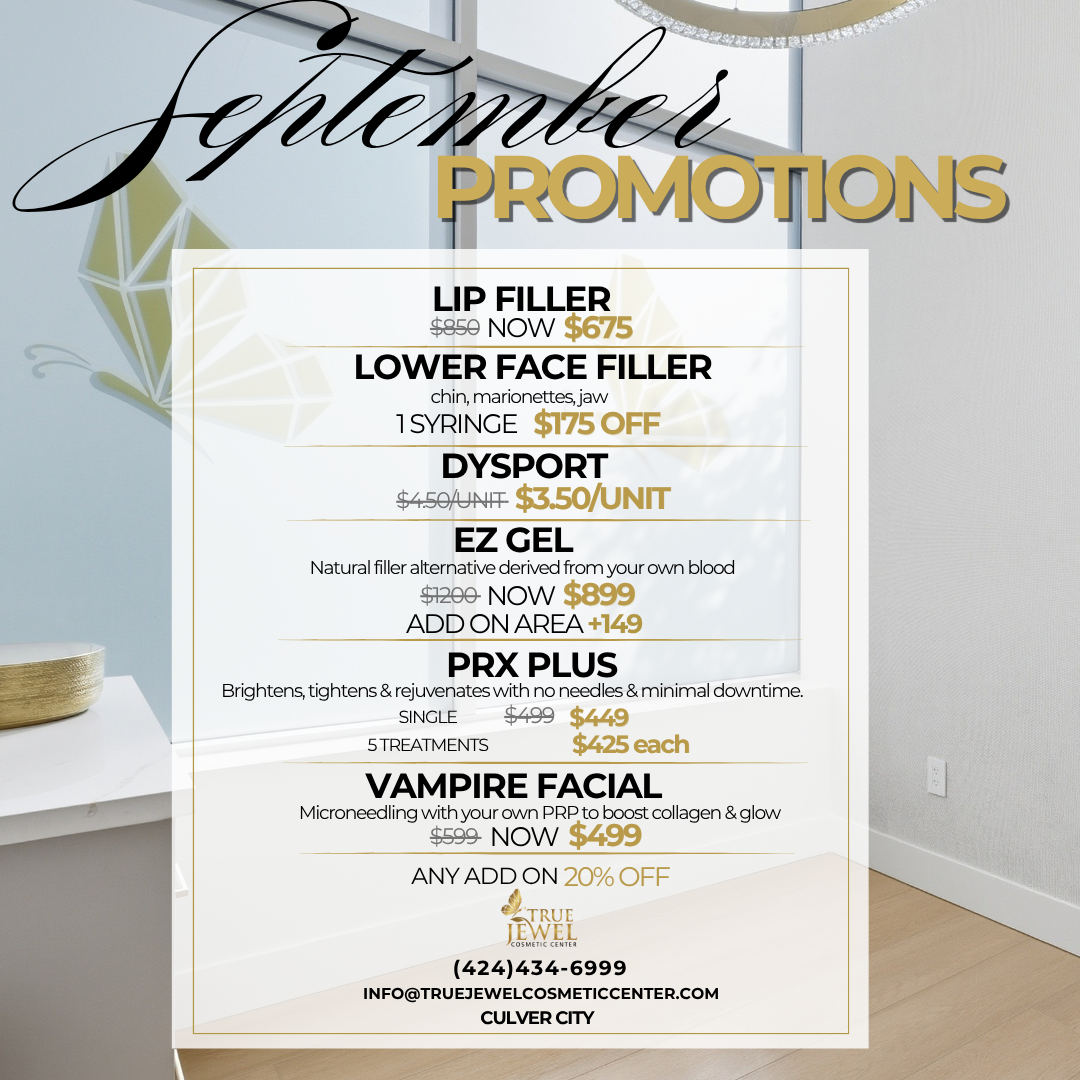
This September, we’re thrilled to offer some of our best savings of the year, including lip filler for just $675 (down from $850), $175 off a syringe of lower face filler for your chin, marionettes, or jaw, and Dysport at only $3.50 per unit. We’re also featuring our EZ Gel natural filler alternative for $899, PRX Plus treatments starting at $425 each when you book a series of five, and our signature Vampire Facial with PRP microneedling for $499. Plus, enjoy 20% off any add-on all month long.- Book Now!
Whether you’re exploring injectables, skin rejuvenation, or body contouring — our board certified team is here to help you look and feel your best. Reveal your true beauty today.
Free consultations offered.

10601 Washington Blvd #108
Culver City, CA 90232
Sunday: 9:30 AM–4 PM
Monday: 9:30 AM–5 PM
Tuesday: 9:30 AM–6 PM
Wednesday: 9:30 AM–5 PM
Thursday: 9:30 AM–6 PM
Friday: 9:30 AM–4 PM
Saturday: Closed
This September, we’re thrilled to offer some of our best savings of the year, including lip filler for just $675 (down from $850), $175 off a syringe of lower face filler for your chin, marionettes, or jaw, and Dysport at only $3.50 per unit. We’re also featuring our EZ Gel natural filler alternative for $899, PRX Plus treatments starting at $425 each when you book a series of five, and our signature Vampire Facial with PRP microneedling for $499. Plus, enjoy 20% off any add-on all month long.- Book Now!