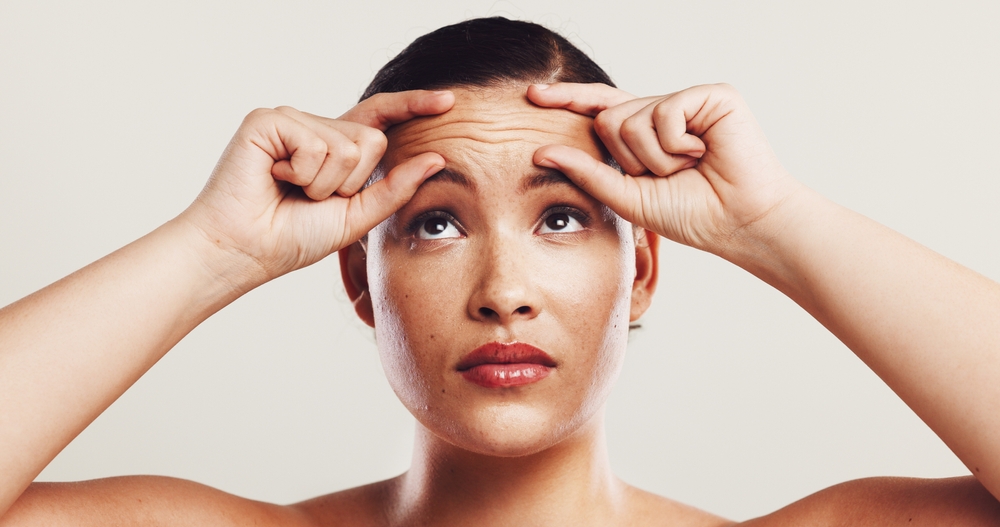
Forehead lines can appear slowly, then seem more noticeable all at once. You may first see them when you raise your eyebrows, look surprised, squint, or concentrate. Over time, those expression lines can remain visible even when your face is relaxed. Some people also notice fine lines on forehead skin that look worse when the skin is dry, tired, or dehydrated. Others are more bothered by 11 lines between the brows, which can make the face look tense even when they feel calm.
The right forehead line treatment is not always the same for every person. Some lines come mainly from repeated muscle movement. Some are dehydration lines on forehead skin. Some are linked to collagen loss, sun exposure, or skin laxity. At True Jewel Cosmetic Center, treatment may include neurotoxins such as Botox, Dysport, or Xeomin, and PDO Threads may be considered when brow position, skin looseness, or lift is part of the concern.
This guide explains why forehead lines form, how to soften them, and how professional treatment can help your forehead look smoother while keeping natural expression.
Forehead Lines and What Causes Them
Forehead lines are usually connected to the frontalis muscle, the muscle that lifts the eyebrows. Every time you raise your brows, the skin folds horizontally across the forehead. In younger skin, those folds often fade quickly once the muscle relaxes. As collagen, elastin, and hydration decline, the lines can become more visible at rest.
Facial expression is only one part of the picture. Sun exposure can break down collagen and make fine lines look deeper. Dehydration can make the skin look creased and papery. Genetics, skin thickness, smoking, stress, sleep habits, and daily skincare also affect how the forehead ages.
A professional assessment can help separate dynamic lines from deeper etched lines. Dynamic lines appear with movement. Static lines remain visible when the forehead is relaxed. This distinction helps guide treatment.
Why Do I Have Lines on My Forehead?
The most common reason is repeated expression. The forehead is highly active, especially for people who raise their brows often when talking, applying makeup, focusing, or reacting. Over time, those repeated folds can become more permanent.
Skin quality also matters. If the skin is dry or dehydrated, forehead lines may look sharper. If collagen has declined, the skin may not bounce back as easily. Sun exposure can make the skin thinner and less elastic, which can deepen existing creases.
Some people notice forehead lines earlier because they have strong forehead movement or naturally expressive brows. Others may see them later due to age-related collagen loss. The right plan should address both muscle activity and skin condition when needed.
Dehydration Lines on Forehead Skin
Dehydration lines on forehead skin can look like fine, shallow creases. They may appear more noticeable after travel, poor sleep, alcohol, harsh skincare, dry weather, or not drinking enough water. These lines often look thinner and more surface-level than deeper expression wrinkles.
Hydration can help soften the appearance of dehydration lines, but water alone may not erase them if collagen loss or movement is also involved. A gentle moisturizer, daily sunscreen, and barrier-supportive skincare can help the skin look smoother.
If the lines remain visible despite better hydration and skincare, they may be early dynamic or static wrinkles rather than dehydration alone. A consultation can help determine whether neurotoxins, skincare, skin treatments, or another approach may fit.
How to Get Rid of Forehead Lines
How to get rid of forehead lines usually requires treating the cause. If the lines appear mainly when you raise your brows, neurotoxins such as Botox, Dysport, or Xeomin may be appropriate. These treatments temporarily relax targeted muscles so the skin above them can look smoother.
If the lines are etched into the skin, neurotoxins may still help soften movement, but the skin may also need time, collagen support, or other skin-focused care. Deep static forehead lines may not fully disappear after one appointment.
The goal should be natural smoothing, not a frozen forehead. The forehead muscle helps support the brows, so dosing and placement need care. Too much relaxation can make the brows feel heavy. A skilled injector balances line softening with facial expression.
Botox for Forehead Lines
Botox is one of the most common options for forehead lines treatment. It works by temporarily reducing the muscle activity that creates horizontal forehead creases and 11 lines between the brows. When the muscle relaxes, the overlying skin can look smoother.
Results do not appear instantly. Many patients notice softening within a few days, with fuller results developing over one to two weeks. Results often last around three to four months, though some people may see a shorter or longer timeline based on muscle strength, metabolism, and treatment plan.
Forehead Botox should be planned with the brow area in mind. Treating the forehead alone without assessing the glabellar area between the brows can sometimes affect balance. A careful injector will evaluate how your forehead and brows move together before treatment.
Dysport and Xeomin for Forehead Lines
Dysport and Xeomin are also neurotoxin options for expression-related forehead lines. Like Botox, they work by relaxing targeted muscle movement. Each product has its own characteristics, and the choice may vary based on anatomy, prior treatment history, desired onset, and provider recommendation.
Dysport is often discussed for its spread and relatively quick onset in some patients. Xeomin is a purified formulation that contains the active neurotoxin without accessory proteins. Botox remains one of the most recognized brands in neurotoxin treatment.
The best choice is not only about the product name. Placement, dose, facial assessment, and injector skill have a major effect on the final outcome. The treatment should be mapped to your forehead movement, brow position, and desired level of expression.
How to Get Rid of Fine Lines on Forehead Skin
How to get rid of fine lines on forehead skin may involve more than relaxing the muscle. Fine lines can come from dehydration, sun exposure, early collagen decline, or mild texture changes. Neurotoxins can help if movement is a major factor, but skincare and skin quality treatments may also be useful.
Daily sunscreen is essential because UV exposure can deepen lines and weaken collagen. Moisturizer can help improve the look of dehydration lines. Gentle retinoids, peptides, antioxidants, and hydrating ingredients may be recommended depending on your skin tolerance.
If fine lines remain visible after skincare improvements, an in-office assessment can help decide whether Botox, Dysport, Xeomin, PDO Threads, or another skin treatment may fit your goals.
How to Get Rid of Lines on Forehead Skin Without Overdoing It
Restraint and precision are the answer. A smooth forehead should still move naturally enough to match the rest of the face. Over-relaxing the forehead can make the brows feel heavy or create a look that does not suit your expression.
A conservative first treatment is often a good approach for new patients. Your provider can see how your muscles respond and adjust future appointments if needed. This helps reduce the risk of heaviness while still softening visible lines.
A natural-looking result should make the forehead look rested, not stiff. The aim is to soften strong creases and help prevent deeper lines from forming while keeping your face expressive.
How to Get Rid of 11 Lines on Forehead and Between the Brows
Getting rid of 11 lines usually involves treating the glabellar muscles. These are the muscles that pull the brows inward and downward. When they contract often, vertical lines can form between the eyebrows.
Botox, Dysport, or Xeomin can relax these muscles and soften the look of 11 lines. Treating this area can also help the upper face look less tense or stern. Many people treat forehead lines and 11 lines together because the muscles in the upper face work as a group.
If 11 lines are deep at rest, neurotoxin treatment may soften the movement that keeps reinforcing them, but the crease may need time to improve. In some cases, other treatments may be discussed for deeper etched lines.
PDO Threads for Brow Lift and Upper-Face Support
PDO Threads can be considered when brow position, upper-face laxity, or lift is part of the concern. PDO threads are dissolvable sutures placed beneath the skin to support tissue and encourage collagen activity. They may be used to lift the eyebrows, tighten areas of loose skin, and support a more lifted look.
PDO Threads are different from neurotoxins. Neurotoxins relax muscle activity. Threads provide structural support and collagen stimulation as they dissolve. For forehead concerns, threads may be part of a plan when the brow area looks heavier, or skin laxity affects the upper face.
PDO Threads do not replace surgery, and they are not right for every forehead concern. A consultation can help determine whether threads, neurotoxins, or a combined plan better fits the way your upper face moves and ages.
What to Expect During Treatment
A neurotoxin appointment usually includes a consultation, facial movement assessment, skin cleansing, and precise injections with ultra-fine needles. You may be asked to raise your brows, frown, relax, and make different expressions so your injector can map the right areas.
After treatment, you may have small injection marks, mild redness, or tenderness. Most people return to normal routines quickly. You will usually be advised to stay upright for several hours, avoid touching or massaging the area, and avoid strenuous exercise or heat exposure during the early aftercare window.
PDO Threads involve a different process. The treatment area is assessed, numbing is used, and threads are placed beneath the skin. Aftercare may include avoiding demanding exercise, facial massage, and excessive pressure while the tissue settles.
How Long Results May Last
Neurotoxin results often last several months. Many patients schedule maintenance every three to four months, though timing can vary. Stronger forehead muscles may need more regular appointments, while some patients may see results last longer.
PDO Threads can provide support as the threads dissolve over several months. Results may be visible for up to 12 months for some patients, with collagen activity contributing to ongoing improvement during the healing process.
Maintenance should be personalized. Some people need only neurotoxins. Others may benefit from threads or skin-focused care. A thoughtful plan can help smooth forehead lines while preserving natural facial movement.
Treat your Forehead Lines at True Jewel
Forehead lines can come from expression, dehydration, collagen loss, sun exposure, skin laxity, or a mix of factors. Botox, Dysport, and Xeomin can soften movement-related lines, including horizontal forehead lines and 11 lines. PDO Threads may be considered when brow lift or upper-face support is part of the concern.
If you are wondering how to get rid of forehead lines, how to get rid of fine lines on forehead skin, or why you have lines on your forehead, the most helpful next move is a personalized assessment. The right forehead line treatment should match your muscle movement, skin quality, brow position, and goals.
Schedule a forehead line consultation with True Jewel Cosmetic Center today to discuss neurotoxins, PDO Threads, and a treatment plan tailored to your face.
Frequently Asked Questions
What causes forehead lines?
Forehead lines can form from repeated brow movement, collagen loss, dehydration, sun exposure, genetics, skin thickness, and natural aging.
What are dehydration lines on forehead skin?
Dehydration lines on forehead skin are fine, shallow creases that may look more visible when the skin is dry, tired, or lacking moisture.
How to get rid of forehead lines?
Forehead lines may improve with Botox, Dysport, Xeomin, skincare, sun protection, collagen-focused care, or PDO Threads when lift is needed.
What is the best forehead lines treatment?
The best forehead lines treatment is based on the cause. Neurotoxins may fit movement lines, while PDO Threads may help with upper-face support.
How to get rid of fine lines on forehead skin?
Fine lines on forehead skin may improve with hydration, sunscreen, skin-supportive products, and neurotoxin treatment when movement contributes to the lines.
How to get rid of lines on forehead skin naturally?
Hydration, sunscreen, moisturizer, sleep, and gentle skincare may soften the look of lines, but deeper expression lines often need professional treatment.
Why do I have lines on my forehead at a young age?
You may have forehead lines at a young age due to strong facial expression, genetics, dehydration, sun exposure, or early collagen changes.
How to get rid of 11 lines on forehead and between the brows?
11 lines often respond to Botox, Dysport, or Xeomin because these treatments relax the muscles that pull the brows inward.