What Is the Right Semaglutide Dosage for Me?
What Is the Right Semaglutide Dosage for Me?
Finding the right Semaglutide dosage is an essential part of achieving safe, effective, and lasting ...
Learn more
This October, save on Botox, Fillers, Microneedling, CO2 CoolPeel and The Perfect Derma Peel! – Book Now!


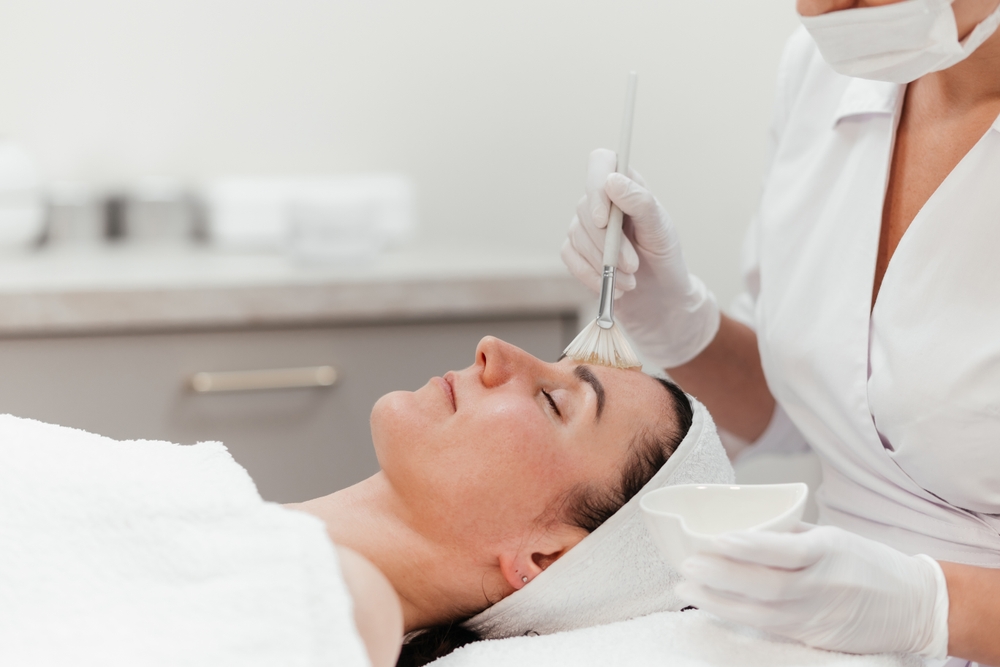
Chemical peels can help with more than one skin concern. They can improve uneven tone and soften fine lines. Rough texture and some acne marks may improve too. Who benefits from a chemical peel? Often, it is someone with a concern close to the skin surface that can respond to controlled exfoliation.
The right candidate is determined by more than the concern alone. Skin type, recent treatments, irritation, and medications can affect whether a peel is suitable for you. Pregnancy is another factor. Sun damage may need a different plan from active acne or post-acne marks.
At True Jewel Cosmetic Center, we offer The Perfect Derma Peel for several common skin concerns. It is a medium-depth peel. This guide explains who can benefit most and who may need to wait. It also covers the treatment and recovery. You will also see how skin type and timing can affect the treatment plan.
Chemical peels tend to suit people who want to improve visible skin changes without surgery. The Perfect Derma Peel may be useful for:
The best results come from matching the peel to your concern, skin history, and treatment level.
The Perfect Derma Peel is a medium-depth chemical peel used to resurface the skin. A chemical solution is applied to the face. It loosens damaged surface cells and triggers controlled peeling over the following days.
The formula includes glutathione, an antioxidant, along with exfoliating and brightening ingredients. The treatment is made for all skin types and ethnicities. We still assess each person’s skin before treatment.
Application takes about 15 minutes. Peeling becomes visible later, so the first few hours can look quite normal.
A chemical peel can make sense for uneven tone, rough texture, blemish marks, or early signs of aging. The concern needs to be one that resurfacing can address. It also helps if you can follow the aftercare while the skin peels and heals.
Dark spots, sun damage, and uneven pigmentation can make the complexion look patchy. Chemical exfoliation removes damaged surface cells. Tone can look more even as the skin renews.
The Perfect Derma Peel is also used for melasma and other pigmentation concerns. Pigment can be stubborn, so some people need a series rather than one treatment. Daily sun protection remains important after the peel because UV exposure can bring discoloration back.
Acne can leave the skin looking congested, uneven, or marked long after a breakout settles. A peel can clear surface buildup and improve some post-acne discoloration. Mild scarring may look softer too.
Active acne may also respond to a peel plan. The right approach considers your skin and current products. We review current breakouts and medications first. Irritated or damaged skin may need time to calm down.
Fine lines often become more visible as skin texture changes with age and sun exposure. A medium-depth peel removes damaged surface cells. The skin can look smoother after recovery.
Who benefits from a chemical peel if texture is the main concern? Fine lines, rough patches, or a dull surface can respond well to resurfacing. Deep folds caused by volume loss need a different approach.
Years of sun exposure can leave spots, uneven tone, and a rougher texture. These changes sit at different depths, so results vary. A chemical peel can improve surface damage and make the complexion look fresher.
A peel does not stop future sun damage. Daily SPF and sensible sun habits help protect the result once the peeling stage is over.
The Perfect Derma Peel can target several concerns at once. This can help if you have a mix of pigmentation, texture, and early aging changes. One person may care most about acne marks. Another may want to soften fine lines and sun spots. The treatment can improve clarity, tone, texture, and the appearance of enlarged pores.
Deeper scars, strong skin laxity, or facial volume loss may need another type of treatment. During a consultation, we separate surface concerns from changes that sit deeper in the skin or face.
We start by looking at your skin and reviewing recent treatments, medications, and current irritation. The skin is then cleaned before the peel solution is applied. The application itself is short, and treatment is generally comfortable.
You leave with the peel on your skin and follow the aftercare plan at home. Timing the appointment around work, events, and exercise can make recovery easier.
Peeling is usually most noticeable a few days later. Do not pull loose skin away. Picking can irritate the fresh skin beneath it.
Visible peeling often becomes strongest around days three to five. Some flaking can continue into days six and seven. The amount of peeling varies. A dramatic shed is not required for the treatment to work.
Normal daily activities can often continue. Heavy exercise, saunas, and hot tubs are best avoided during active peeling. Heat and sweat can irritate the skin. Your aftercare kit and instructions help guide cleansing, moisture, and sun protection while the surface recovers. If you have an event coming up, give your skin enough time to finish peeling first.
Some people need to postpone The Perfect Derma Peel or choose another treatment. A consultation helps us spot factors that can make peeling harder for the skin to tolerate.
The Perfect Derma Peel should not be used during pregnancy or breastfeeding. Treatment can be reconsidered later when those restrictions no longer apply.
Avoid the peel if you have used isotretinoin within the past four months. This medicine was formerly sold as Accutane. Tell us about any acne medication you use or have recently stopped.
A peel should wait if the area has open wounds, sunburn, an active infection, cold sores, or other lesions. Applying acids to damaged skin can cause more irritation and delay healing.
A history of cold sores does not always rule out treatment. It does need to be discussed because antiviral medication may be advised before a peel.
Do not have the treatment if you have a known allergy to the peel or its post-peel products. Bring up past reactions to peels, skin products, or prescription topicals during your consultation.
The Perfect Derma Peel is made for all skin types and ethnicities. This makes it an option for a wide range of skin tones.
Skin tone still needs careful consideration. Inflammation can trigger dark marks in some people. We look at your history of pigmentation, previous reactions, and current skin condition before treatment.
Pre-treatment skin care is not required for every person. Some skin concerns may benefit from preparation first. This can lower the chance of dark marks after inflammation.
Some people see brighter tone and smoother texture after one treatment. More stubborn concerns often need a series. More stubborn concerns such as acne, melasma, hyperpigmentation, and aging skin may respond better to a series.
Spacing gives the skin time to recover before the next peel. The number of treatments should match your concern and how your skin responds. There is no single schedule for everyone. Sun exposure, acne, skin care, and normal aging can all affect how long the result stays visible.
Who benefits from a chemical peel? People with uneven pigmentation, acne-related marks, fine lines, sun damage, or rough texture can be good candidates. Your skin still needs to be healthy enough for controlled peeling. Some health or skin conditions mean treatment should wait.
A consultation helps us decide if The Perfect Derma Peel fits the change you want. We can look at your skin tone, current products, treatment history, and main concern.
Book a consultation with us at True Jewel Cosmetic Center if you are considering a chemical peel. We can explain what the peel may improve and what recovery involves. If needed, we can discuss another option.
The application itself takes about 15 minutes. The peeling process happens over the following days. The appointment is only one part of the full treatment.
Visible peeling usually develops after treatment and often becomes strongest around days three to five. Some light peeling can continue through the end of the first week.
A peel can improve the look of some mild acne scarring and post-acne marks. Deeper scars may need a different treatment or a combined plan.
Follow the aftercare instructions given for your peel. Avoid products that irritate healing skin. Picking or covering actively peeling skin too heavily can make recovery harder.
Treatment timing varies with the peel depth, skin concern, and how your skin responds. If a series is recommended, treatments are usually spaced so the skin can recover between sessions.
This October, we’re treating you to $200 off a syringe of Restylane or Juvéderm and Botox at just $12/unit. You can also refresh your skin with Microneedling or our Perfect Derma Peel for $325, or our CO2 CoolPeel for $649, and get 15% off all add-ons and products. Call us at (424) 434-6999 to book your glow-up in Culver City before these deals are gone!- Book Now!

Whether you’re exploring injectables, skin rejuvenation, or body contouring — our board certified team is here to help you look and feel your best. Reveal your true beauty today.
Free consultations offered.

10601 Washington Blvd #108
Culver City, CA 90232
Sunday: 9:30 AM–4 PM
Monday: 9:30 AM–5 PM
Tuesday: 9:30 AM–6 PM
Wednesday: 9:30 AM–5 PM
Thursday: 9:30 AM–6 PM
Friday: 9:30 AM–4 PM
Saturday: Closed
This October, we’re treating you to $200 off a syringe of Restylane or Juvéderm and Botox at just $12/unit. You can also refresh your skin with Microneedling or our Perfect Derma Peel for $325, or our CO2 CoolPeel for $649, and get 15% off all add-ons and products. Call us at (424) 434-6999 to book your glow-up in Culver City before these deals are gone!- Book Now!